The bog starts before you are in it
By the time the wheels are spinning the decision was already made, about three seconds and twenty metres back. Pick the line while the ground is still firm, and if the line is bad, take the long way. Momentum is not traction. Nobody has ever revved their way out of soft sand, and plenty have dug themselves to the axles trying.
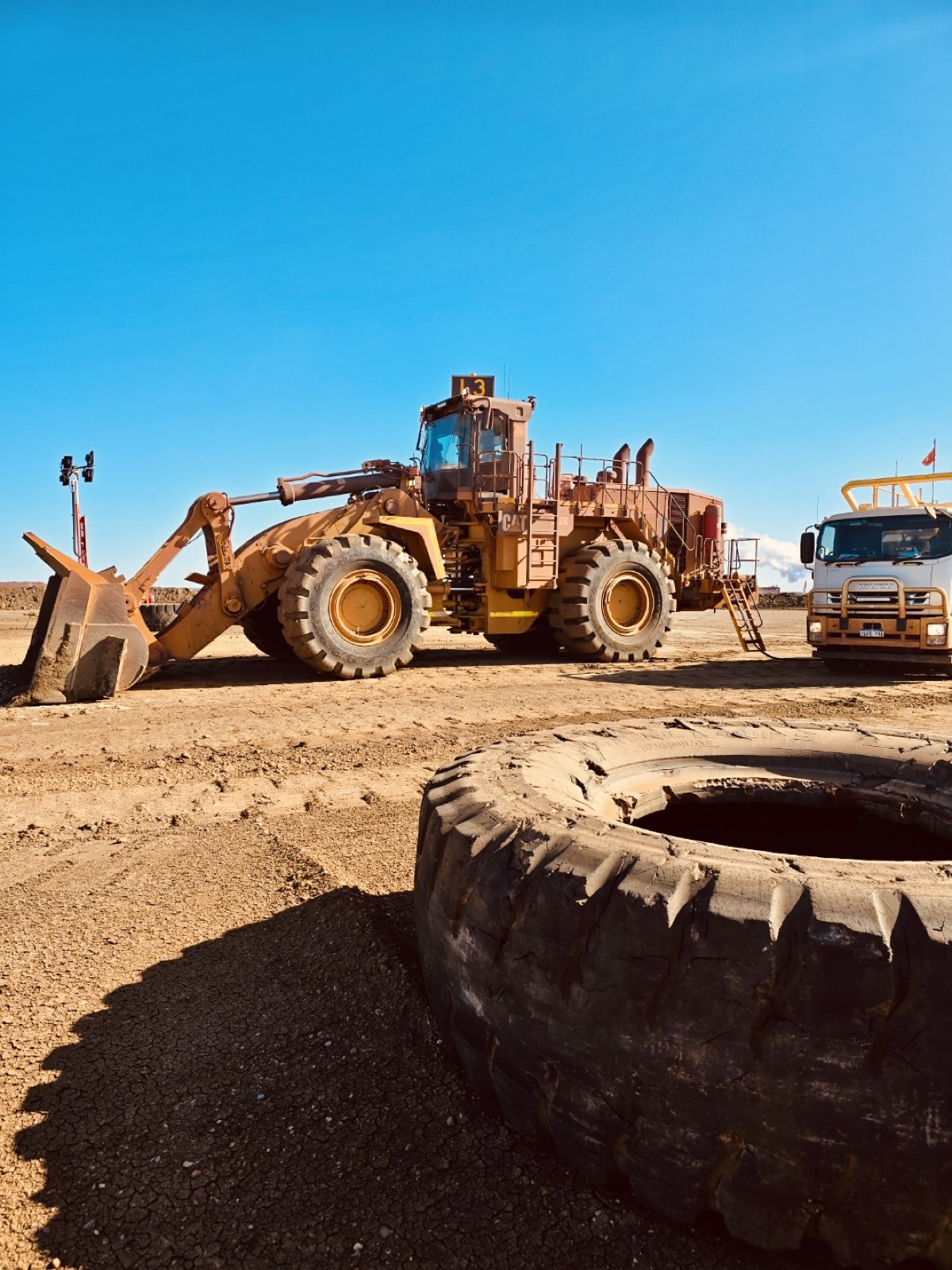
Tyres get wrecked at the pile, not on the ramp
The cut happens where the spill sits — loose rock at the face that everybody drives over because clearing it takes four minutes. A set of tyres costs more than most people's cars. Four minutes.
Clean floor, straight approach, no crab steering into the pile. That is the whole tyre policy.
Fix the windrow now
The next machine through is going faster than you, in worse light, and does not know that the edge moved. A berm is not paperwork — it is the only thing between a tired operator and a long drop. If you notice it, you own it.
Machine, place, intent — in that order
Good radio calls have a shape: what you are, where you are, what you are about to do. "Loader three, ramp four, coming up loaded." Everyone on the channel now has a picture. Long explanations at the wrong moment are worse than silence.
The last hour of nightshift
That is where the shortcuts live. The pre-start gets a tick instead of a walk, the handover happens through a window, and the incoming operator inherits a fault nobody mentioned. Do the handover properly first and have the coffee second. The machine gets a handover too, not just the seat.
When the storm arrives
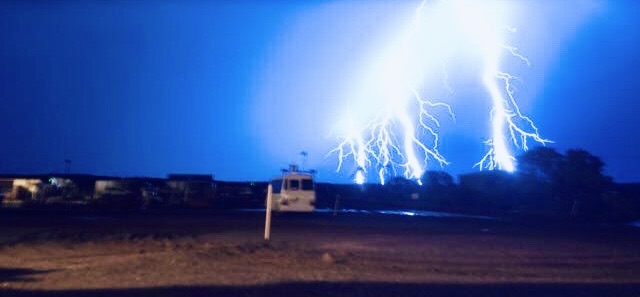
Lightning does not negotiate and the pit is the flattest, most conductive place for a hundred kilometres. When the alarm goes, the machine gets parked properly, not abandoned mid-load, and everyone gets in a vehicle. The ore will still be there afterwards.
The photo below was taken from a light vehicle. That is the correct place to be standing.
The near miss you keep to yourself
It does not stay yours. It comes back on the next swing with somebody else driving, and they get no warning because the first one was never written down. Reporting it is not an admission of being a bad operator. It is the cheapest hazard control on site.
If you have to explain why it was safe
Then it was not. That instinct to start justifying — before anyone has even asked — is the most reliable hazard detector ever built, and every operator already has one fitted.